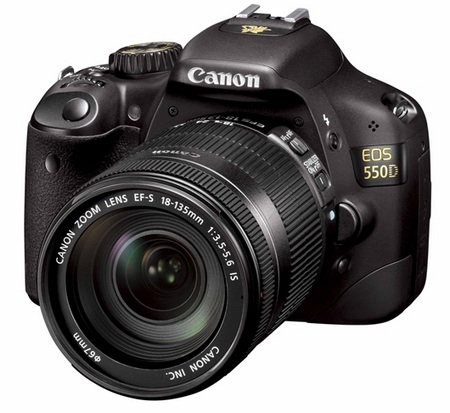
Nikon's latest camera, D3100 seems to be quite a performer especially due to the Nikon's latest EXPEED 2. Nikon's (almost)discontinued prosumer DSLR. The D90 won the TIPA European Photo & Imaging Award, in the "Best D-SLR Advanced" category back in May 2009. New doesn't necessarily mean it's better just like Canon's 600D compared to its predecessor the 550D.
1) Image quality/Resolution
Other than the new image processor, Nikon also added a brand new 14.2 megapixel sensor into the D3100. As exciting as it seems, you actually only get 2.1 megapixels more than the D90. Does it really help? Not necessarily. Nikon should've added something like an 18 megapixel sensor to compete with Canon. Winner: D3100
2) ISO Performance
This is where the D3100 truly shines. At ISO 100 till 800, results are almost the same. But when it reaches the 3,200 point, things start to get a bit noisier on the D90. Thanks to the EXPEED 2 processor the D3100 is able to get clean images all the way until ISO 6,400. Artoftheimage was really helpful to post an ISO performance comparison. Winner: D3100
3) Burst rate
Even though the D3100 is a newer camera, its still at the lower end and so Nikon just left the burst rate the same as the D3000's - 3 frames per second. The Nikon D90 has a burst rate of 4.5 frames per second. If you're looking for serious action shots, just skip this and look at the D7000 or D300S. Winner: D90
4) Lens compatibility
Both of these cameras are able to use all the lenses from Nikon. The D90 gets the slight edge here; it's able to autofocus AF-D and AF lenses whiles the D3100 can't. If you want a lens to autofocus on the D3100, you ought to be looking for an AF-S lens because it lacks an autofocus motor. However, both lenses aren't able to meter AI and AI-S lenses. Winner: D90
5) Video mode
Again, its no doubt that the D3100 has better video capabilities here. It features 1080p full HD movie recording. WOW. The D90 only does 720p movie recording(not full HD). Unfortunately, both are still limited to only 24 frames per second in HD mode. The D3100 has another trick under its sleeves; it autofocuses in video. The D90 can't. However, this autofocus feature in video mode is still pretty new and isn't really that reliable at times. Winner: D3100
6) Flash?
Both cameras support all external speedlights from Nikon. The D90 has the slight edge here because it supports Nikon's CLS or Creative Lighting System; a very easy-to-set-up-and-use wireless flash system. So, that means the D90 is able to exploit this advantage without buying any extra accessories. For the D3100, you have to buy a pocket wizard to have this feature. Winner: D90
7) Ergonomics
Its a no-brainer. The D90 has better ergonomics for sure. The grip just feels great. Its beefier, more comfortable and makes pressing the shutter a pleasure. The D3100 is OK, its meant for smaller hands. That's all I could say. Winner: D90
Conclusion
The D3100 is an awesome camera for any beginner. As long as you use an AF-S lens, you should be okay. In a long run, buying the D90 is a better investment. Using AF-D lenses is a cheaper alternative to AF-S lenses. The 50mm 1.8D(without autofocus motor) is just currently at RM400+ whereas the 50mm 1.4G(with autofocus motor) costs about RM1,700. It's more than 4 times more! Get a D90 if you're a true photographer and don't really care about Full HD movie recording. Get a D3100 if you're leaning more towards the movie side.
 |
| D3100 VS D90 |
1) Image quality/Resolution
Other than the new image processor, Nikon also added a brand new 14.2 megapixel sensor into the D3100. As exciting as it seems, you actually only get 2.1 megapixels more than the D90. Does it really help? Not necessarily. Nikon should've added something like an 18 megapixel sensor to compete with Canon. Winner: D3100
2) ISO Performance
This is where the D3100 truly shines. At ISO 100 till 800, results are almost the same. But when it reaches the 3,200 point, things start to get a bit noisier on the D90. Thanks to the EXPEED 2 processor the D3100 is able to get clean images all the way until ISO 6,400. Artoftheimage was really helpful to post an ISO performance comparison. Winner: D3100
3) Burst rate
Even though the D3100 is a newer camera, its still at the lower end and so Nikon just left the burst rate the same as the D3000's - 3 frames per second. The Nikon D90 has a burst rate of 4.5 frames per second. If you're looking for serious action shots, just skip this and look at the D7000 or D300S. Winner: D90
4) Lens compatibility
Both of these cameras are able to use all the lenses from Nikon. The D90 gets the slight edge here; it's able to autofocus AF-D and AF lenses whiles the D3100 can't. If you want a lens to autofocus on the D3100, you ought to be looking for an AF-S lens because it lacks an autofocus motor. However, both lenses aren't able to meter AI and AI-S lenses. Winner: D90
5) Video mode
Again, its no doubt that the D3100 has better video capabilities here. It features 1080p full HD movie recording. WOW. The D90 only does 720p movie recording(not full HD). Unfortunately, both are still limited to only 24 frames per second in HD mode. The D3100 has another trick under its sleeves; it autofocuses in video. The D90 can't. However, this autofocus feature in video mode is still pretty new and isn't really that reliable at times. Winner: D3100
6) Flash?
Both cameras support all external speedlights from Nikon. The D90 has the slight edge here because it supports Nikon's CLS or Creative Lighting System; a very easy-to-set-up-and-use wireless flash system. So, that means the D90 is able to exploit this advantage without buying any extra accessories. For the D3100, you have to buy a pocket wizard to have this feature. Winner: D90
7) Ergonomics
Its a no-brainer. The D90 has better ergonomics for sure. The grip just feels great. Its beefier, more comfortable and makes pressing the shutter a pleasure. The D3100 is OK, its meant for smaller hands. That's all I could say. Winner: D90
Conclusion
The D3100 is an awesome camera for any beginner. As long as you use an AF-S lens, you should be okay. In a long run, buying the D90 is a better investment. Using AF-D lenses is a cheaper alternative to AF-S lenses. The 50mm 1.8D(without autofocus motor) is just currently at RM400+ whereas the 50mm 1.4G(with autofocus motor) costs about RM1,700. It's more than 4 times more! Get a D90 if you're a true photographer and don't really care about Full HD movie recording. Get a D3100 if you're leaning more towards the movie side.